
Glaucous-blue Grosbeak

Plumbeous Ibis

Scimitar-billed Woodcreeper

Southern Screamer

Gray Monjita

Marsh Seedeater
All Birding Tours › Southern Entre Ríos
Southern Entre Ríos Birding
Open skies, vast grasslands, and a mosaic of habitats that never disappoints.
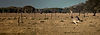
Two hours north of Buenos Aires, Southern Entre Ríos opens into one of the richest birding landscapes in the Pampas. Grasslands, espinal woodland, seasonal wetlands, and flooded fields come together in a landscape shaped by water levels and the time of year.
Ceibas sits at the center of the region, a natural base for exploring the surrounding countryside and the many routes that branch out from it. Over time, it has become one of the names most closely associated with birding in this part of Argentina.
A full day in Southern Entre Ríos regularly produces 90 species or more, with summer peaks above 120 depending on pace, targets, and route. Variety builds quickly, and the day keeps changing from one stop to the next.
What to expect
The pace of a day in Southern Entre Ríos is unhurried by design. We leave Buenos Aires early, typically around 6 am, and spend the day moving through rural roads where cattle outnumber cars. Much of the birding is done from the vehicle, windows down, scanning fence posts and open sky. We also choose our stops carefully, taking short walks into the habitat that best suits each target and adjusting to whatever the day is giving us. Lunch is taken in the field when possible.
As the light fades, the character of the day changes entirely. Short-eared Owls perch on fence posts, Scissor-tailed Nightjars appear along the road, and in breeding season, the display of those extraordinary tails is something that stays with you.


What you might see
The espinal woodland around Ceibas is alive with Brown Cacholote, Scimitar-billed Woodcreeper, and Stripe-crowned Spinetail. The Vermilion Flycatcher breeds in the area, and that red, in that light, against the dry woodland, is a moment most birders don't forget. Beyond the trees, Greater Rhea moves through cattle country, Cinereous Harrier works the open ground, and when the bañados are full, flocks of Snail Kites course overhead.
The wetlands are critical habitat for globally threatened seedeaters, including Chestnut, Rufous-rumped, and Marsh Seedeater, the latter being the most sought-after and reliably present when water levels are right. In summer, migratory shorebirds arrive in force. After dark, Nacunda Nighthawk takes over the sky, while owls call across the fields well into the night.
The Saffron-cowled Blackbird, with fewer than 600 individuals remaining in Argentina, moves through the region depending on season and conditions.


Beyond the Full Day
A full day based around Ceibas covers the core of the region, but Southern Entre Ríos is larger than any single itinerary can fully contain. The grasslands around Perdices bring a very different character, with open country, Glaucous-blue Grosbeak, and the threatened seedeaters in their element. The fields and roadsides around Médanos shift the focus once again, offering nocturnal raptors, nightjars, and shorebird habitat that rewards either an early start or a late finish. Gualeguay, farther north, opens a chapter of its own: a vast and still largely unexplored area where riparian forest adds species absent from Ceibas and the full seedeater picture begins to come together. A multi-day itinerary can be built around a single base or connect both areas with a night in Gualeguay. Either way, this is the kind of region where more time is never wasted.
Extended routes reach further still. The open countryside where Saffron-cowled Blackbird still moves remains part of the working landscape, and for those prepared to go deeper, a dedicated search for Yellow Cardinal can be arranged on horseback, one of the most distinctive birding experiences you can have here.

Transport
Pickup and drop-off in Buenos Aires included.

Guide
Private guiding in English or Spanish.

Optics
Binoculars (shared) and a spotting scope are available if needed.

What to bring
Comfortable shoes, hat, sunscreen, insect repellent, water bottle,
and a light rain jacket.

Food
Breakfast, lunch, and water included.

Duration
Full day. Multi-day options are also available.

Location
Rural areas around Ceibas, in the province of Entre Ríos.

Pace
Relaxed and flexible, adjusted to your interests.

Walking
Road-based, with stops along the route. Most birding is done from or near the vehicle.

Best time
Early morning, especially in warmer months.